The holiday season is in full swing, and while the celebrations bring excitement and anticipation, they can also bring challenges for those in the autism community. Changes in schedules, families gathering in homes with loud conversations, music at parties, and even the seasonal scents in public stores can cause some disruptions for your child with sensory differences during the holiday season. The Chattanooga Autism Center is a local nonprofit organization whose mission is to serve autistic individuals of all ages, and we’ve compiled a list of sensory-friendly activities for you and your loved ones during the holidays.
- Make some seasonal sensory bins! Throw some powdered hot chocolate mix, peppermint sticks, marshmallows, and a few preferred toys in a large container. Involve your little ones in pouring all the ingredients in the bin, and encourage them to feel, smell, and play with the different textures in the bin. This activity provides tactile and olfactory input, while simultaneously encouraging messy play and sustained attention.
- Watch a favorite Christmas movie under a weighted blanket. A lot of autistic individuals crave proprioceptive input (deep pressure) and weighted blankets, compression shirts, or weighted vests offer that experience. Some theaters across the state have even partnered with the Autism Society to offer sensory-friendly viewings with lights on and volume low. Check out your local theater to see if they participate.
- Hop in the car and drive around to check out some Christmas lights and decorations. If your kiddo isn’t sensitive to sound, turn on some Christmas music while you drive. This can be a great way to incorporate visual and auditory input in a safe and controlled environment.
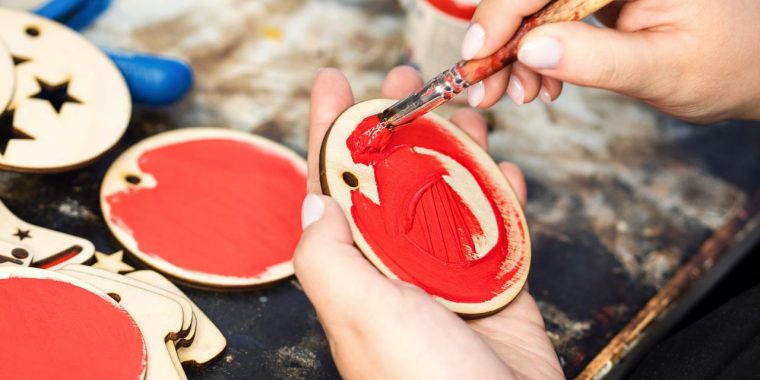
- Make homemade Christmas ornaments! My personal favorite is salt-dough ornaments. You only need flour, salt, and warm water to create the dough. This provides a great tactile activity for your child and a keepsake for you. If you need to purchase any ingredients; Walmart implements sensory-friendly store hours between 8 am and 10 am with lights dimmed and music turned off.
- To encourage language development and joint attention, learn hand cues, signs, or a dance to your favorite Christmas song. For example, look up ‘Santa Freeze Dance’ or ‘Reindeer Hokey Pokey’ on YouTube. These specific examples target impulse control and following directions, as well as body identification and spatial awareness.
A few more tips for a smooth holiday season…
- Try to prepare your child as much as possible for changes in routine and schedule. This might look like a visual schedule, social stories specific to your plans for the day, or verbal notice, but being able to anticipate what our days look like can decrease anxiety and increase flexibility in these shifts.
- If you have a family gathering at your home for the holidays, plan ahead to provide a ‘calm down space’ for your child if they need to regulate and regroup during the festivities. Talk about the location of this ahead of time, and let your child know it’s okay if they need to take a moment to themselves.
- Have a conversation with your friends and family about your child’s sensory needs. Maybe loud voices and unexpected hugs/touches are scary for them. Maybe your kiddo is a ‘sensory seeker’ and thrives off physical contact! Having your people clued in about the sensory needs of your child makes for a much smoother experience at gatherings for all people included.
For more autism-related resources, please visit Chattanooga Autism Center.
Most importantly, enjoy the holiday season and remember to implement activities and experiences that work for you and your loved ones. Happy holidays!
Click image below to download this quick tip sheet.

Chapel Mason Weathersbee is an occupational therapist at Chattanooga Autism Center (CAC). She began working with autistic individuals about seven years ago and graduated with her Occupational Therapy Degree from University of Tennessee Chattanooga in 2022. Her main role is working with the CAC to establish their OT program that will serve the autism community in Chattanooga through play-based and evidence-based practice. In her free time, you can find her reading a good book, trying out a new recipe, going on a walk or bike ride with her husband, or spending time with her family and friends.