Navigating resources can be difficult, and differences in abilities, culture, and language can make it even more challenging. By bridging these differences, we aim to strengthen connections to the resources and support people need most. This section highlights programs and shares tools that address these challenges, fostering greater opportunities to access disability resources and creating stronger connections across abilities, cultures, and languages. We’re also spotlighting peer support spaces, caregiver networks, and community-based programs that offer encouragement and shared experience, because finding help is easier when we do it together.
Autism Acceptance Means Opportunity Why Our Community Needs a Transition Center After High School
Written by: Belinda Martinez, Founder & Executive Director, Forward Clarksville
Autism Acceptance Means Opportunity:
April is often recognized as Autism Awareness Month, but many families today are moving beyond awareness and embracing something deeper—Autism Acceptance. Acceptance means recognizing the abilities, strengths, and potential of individuals on the autism spectrum and ensuring they have meaningful opportunities to thrive in our communities.
For many families, one of the most challenging moments comes after high school graduation. While school systems often provide structured support during childhood and adolescence, those services frequently end when a student turns 18 or 21. At that point, many young adults with autism face an uncertain future. Without continued support, opportunities to develop independence, job skills, and social connections can be limited.
This is where Autism transition centers become incredibly important.
What Is an Autism Transition Center?
A transition center is a place where young adults on the autism spectrum can continue developing the skills they need to succeed in adulthood. Instead of the support system ending with a diploma, these centers provide programs that focus on real-world preparation.
Transition programs typically help individuals build:
• Vocational skills such as workplace routines, job training, and career exploration
• Life skills, including communication, time management, and personal responsibility
• Social skills that help individuals form friendships and navigate community interactions
• Independent living skills such as transportation, financial literacy, and daily routines.
Many young adults with autism are eager to work, contribute, and be active members of society. However, without the right environment to develop these abilities at their own pace, they may struggle to find their place in the workforce or community.
A transition center bridges that gap.
Why Our Community Needs One
Communities grow stronger when everyone has the opportunity to participate. When individuals with autism are given the tools and support they need, they can become talented employees, creative thinkers, loyal coworkers, and active neighbors.
Employers across the country are beginning to recognize the value that neurodiverse individuals bring to the workplace. Many individuals with autism demonstrate strong attention to detail, dedication, honesty, and unique problem-solving abilities. But before they can enter the workforce successfully, they often need guided experiences and training environments that understand their learning styles.
Transition centers can partner with local businesses to create internships, job training programs, and mentorship opportunities. These partnerships not only empower individuals with autism but also help local businesses strengthen their workforce.
Beyond employment, these centers also provide something equally important: belonging. Social isolation can be a major challenge for adults on the spectrum.
Having a supportive environment where individuals can interact, learn, and build friendships makes a significant difference in their quality of life.
Supporting Families
Families of individuals with autism often spend years advocating for services, navigating educational systems, and planning for their child’s future. When high school ends, many parents feel overwhelmed by the question: What comes next?
Transition centers offer reassurance that their loved ones will continue to grow and learn. They create a pathway toward greater independence while still providing the structure and support individuals need to succeed.
For parents, it is not just about services—it is about hope.
A Local Effort in Clarksville
In Clarksville, Tennessee, organizations are working to bring awareness and resources to families navigating autism. One of those organizations is Forward Clarksville, a 501(c)(3) nonprofit organization dedicated to supporting individuals and families affected by autism.
Forward Clarksville provides resources, information, events, and programs for the community, helping families connect with services and build a stronger support network. Their mission is simple but powerful: to ensure that individuals with autism and their families feel seen, supported, and empowered.
Through community events, educational opportunities, and advocacy efforts, Forward Clarksville continues to raise awareness and encourage conversations about the needs of the autism community—including the importance of future programs like transition centers.
The organization also works to ensure accessibility by offering information and outreach in both English and Spanish, helping more families access the support they deserve.
To learn more about their programs, events, and community initiatives, visit: www.forwardclarksville.org
Moving from Awareness to Acceptance
Autism acceptance means creating communities where individuals on the spectrum are not only acknowledged but valued. It means recognizing that support should not end after high school, and that every person deserves the opportunity to grow, work, and belong.
Transition centers represent more than programs—they represent possibilities. They open doors for young adults with autism to explore their talents, develop independence, and contribute to their communities in meaningful ways.
When communities invest in these opportunities, everyone benefits.
Together, through awareness, advocacy, and action, we can build a future where individuals with autism are fully included and empowered to move forward.
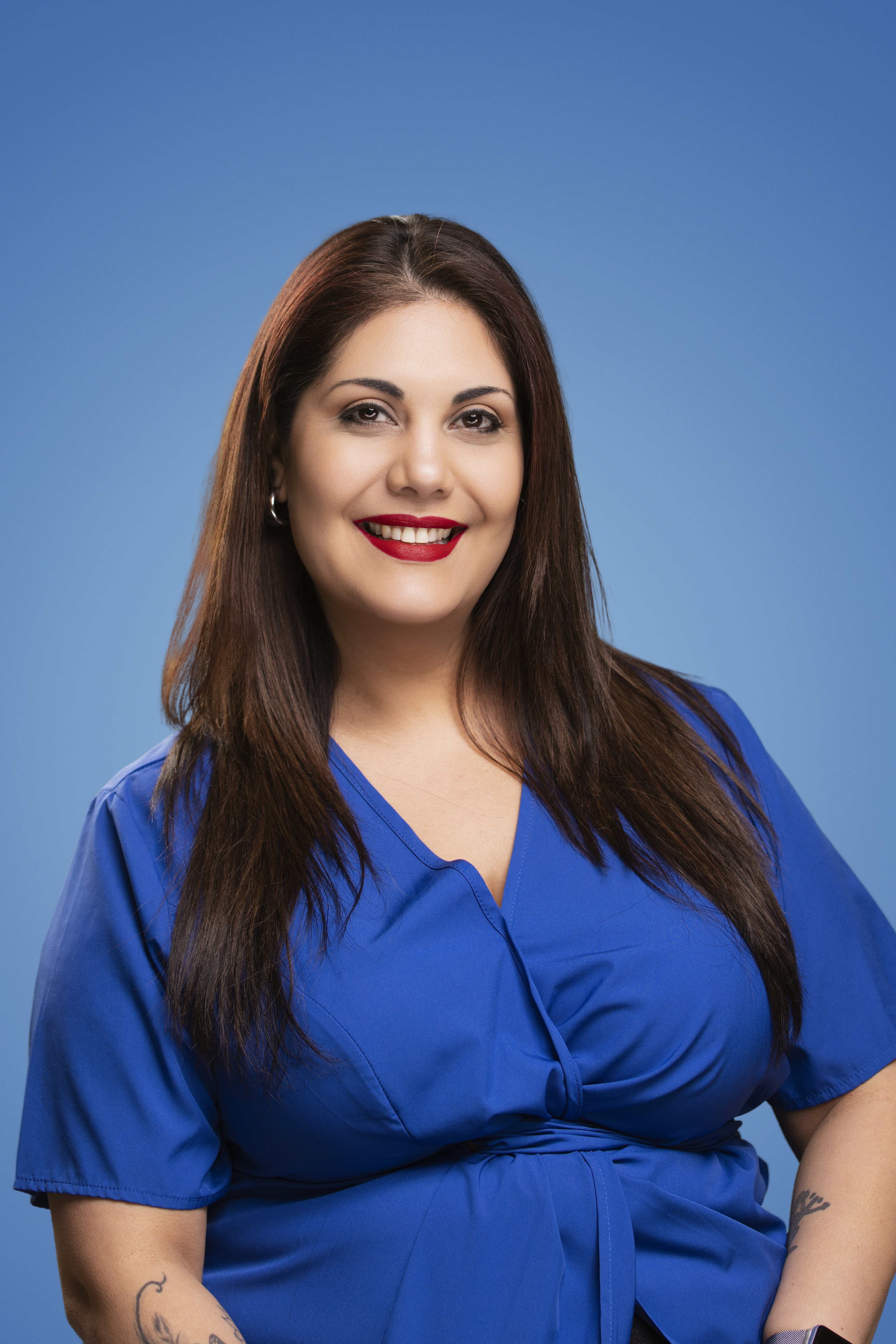
Belinda Martinez
About the Author
Belinda Martinez is the mother of a 23-year-old son on the autism spectrum. She is a community leader, advocate, and financial professional with over 15 years of experience since 2009. Through her work and advocacy, she is dedicated to supporting families, raising awareness, and creating opportunities for individuals with autism in the Clarksville community.
An Autism Story
AutismTN Familias Latinas Especiales members display their creations after a weaving workshop. “The workshop was called Ties of Love. It referred to our different talents with each color and texture symbolizing the talents that make us unique, and they together make us stronger.”
When my daughter Melanie was diagnosed with autism at the age of three, our world changed overnight. Like many parents, I had questions, fears, and uncertainty about what the future would look like for my child. But one of the biggest challenges I faced was feeling completely alone. At that time, I did not know where to find information, support, or other parents who understood what I was going through.
For many Latino families, navigating an autism diagnosis can be even more difficult. Language barriers and a lack of culturally accessible resources often make it harder to understand services, therapies, and educational supports. Parents may want to help their children, but simply do not know where to begin.
That is why community support is so important.
Today, through my volunteer work with Autism Tennessee, I lead a support group called Familias Latinas Especiales, created specifically for Spanish-speaking families who have children with autism. Our group provides a welcoming space where parents can connect, share experiences, and learn about resources available in Middle Tennessee and beyond
Familias Latinas Especiales was born from my own journey as a mother. When my daughter was first diagnosed, I wished there had been someone who could guide me, explain things in my language, and reassure me that I was not alone. Years later, I realized that I could be that support for other families.
In our meetings, we talk about many topics and issues, including the strengths and challenges that parents face when raising a child with autism. These include understanding the diagnosis, navigating therapies, working with schools to provide supportive environments, learning about available services, and taking care of ourselves as caregivers. Just as important, parents can share their personal stories and encourage one another.
For many families, simply hearing “I understand what you’re going through” can make a huge difference in….
Autism Tennessee plays an important role in making these connections possible. The organization works to support and empower autistic people and their families across the state by providing education, advocacy, and community programs. Through our peer support groups, community events, and educational resources, Autism Tennessee helps families better understand autism and find the resources and tools they need to help their children thrive.
Programs like Familias Latinas Especiales are an example of how autism acceptance grows through the community. When families feel supported and informed, they are better able to advocate for their children and celebrate their unique strengths.
Autism acceptance means recognizing that autistic individuals are valuable members of our communities. It means listening to their voices and experiences, supporting their needs, and creating environments where they can succeed.
For families who are just beginning their autism journey, the road may feel overwhelming. But no parent should have to walk that path alone.
By providing information in Spanish and creating spaces where families feel understood, we can help more parents find hope, confidence, and connection.
I hope that every family, no matter what language they speak, can access the support they need and feel empowered to advocate for their children. Because when we support families, we strengthen our entire community.
This story was shared by Teresa Lira, parent and facilitator, Familias Latinas Especiales, an AutismTN Spectrum Families group.