To effectively spread awareness about things that matter to people in the community, we’ve chosen to share information shared by community partners directly from the source.
IRS Raises ABLE Account Limit
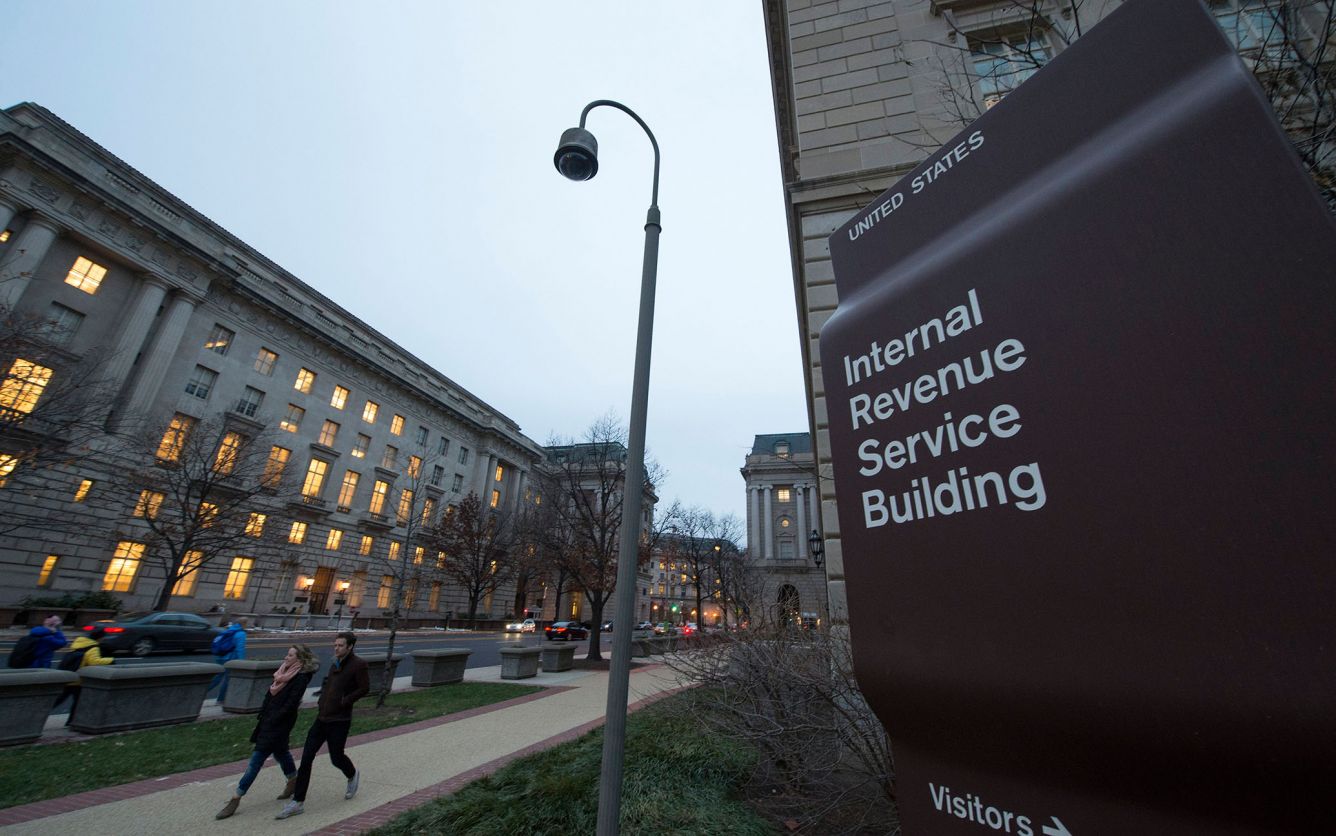
The Internal Revenue Service has upped the gift tax exclusion due to inflation. The annual contribution limit for ABLE accounts is tied to that figure. (Molly Riley/McClatchyDC/TNS)
The Internal Revenue Service said that the federal gift tax exclusion increased to $18,000 effective at the start of this month. The annual deposit limit for ABLE accounts is tied to that measure, so it will rise as well.
The new limit is up from $17,000 last year thanks to inflation and it reflects a change to the maximum allowable ABLE account contribution that’s similar to what’s been seen in recent years.
Funds saved in the special accounts that were established under a 2014 federal law can be used to pay for qualified disability expenses including education, health care, transportation and housing. Interest earned is tax-free.
While ABLE account contributions are generally capped at the gift tax limit, people with disabilities can save more if they are employed and do not contribute to a retirement plan.
Workers with disabilities in the 48 contiguous states can save up to $14,580 in earnings in addition to the gift tax exclusion value for this year, according to the ABLE National Resource Center. Alaska residents can save an extra $18,210 in compensation and $16,770 for those in Hawaii.
Currently, ABLE accounts are offered through programs in 47 states, many of which are open to individuals nationwide if they have a disability that onset before age 26. Under a 2022 federal law, that age limit will rise to 46 starting in 2026.
As of September, there were more than 158,000 ABLE accounts open across the country with $1.551 billion in assets, according to ISS Market Intelligence.
Disability Scoop offers daily coverage of autism, intellectual disability, cerebral palsy, Down syndrome and more.