Navigating resources can be difficult, and differences in abilities, culture, and language can make it even more challenging. By bridging these differences, we aim to strengthen connections to the resources and support people need most. This section highlights programs and shares tools that address these challenges, fostering greater opportunities to access disability resources and creating stronger connections across abilities, cultures, and languages. We’re also spotlighting peer support spaces, caregiver networks, and community-based programs that offer encouragement and shared experience, because finding help is easier when we do it togethe
GNRC Reaffirms its Commitment to Older Adults in Middle Tennessee
By: Rachel Solava, Outreach & Advocacy Manager, Greater Nashville Regional Council
Each May, Older Americans Month serves as a reminder to celebrate aging well, and at the Greater Nashville Regional Council (GNRC), we support that work all year long. As the Area Agency on Aging and Disability (AAAD), GNRC coordinates the delivery of services and programs that enhance the quality of life of the region’s older population and their caregivers.
This year’s observance of Older Americans Month comes on the heels of GNRC’s adoption of the region’s Area Plan on Aging and Disability by mayors from across Middle Tennessee. The adoption reaffirms our commitment to supporting older adults and serves as a roadmap for how federal funding is leveraged to deliver services regionwide. The Area Plan also outlines key priorities to meet the growing needs of our communities.
If you are unfamiliar with GNRC, this summary may be the first time you are learning about our programs. For others, it may serve as a reminder of the full breadth of our work in the aging space. Community members can learn more at GNRC.org/Aging or by calling our helpline at 615-255-1010.
The Area Plan on Aging and Disability is shaped by five goals:
Goal 1: Support aging in place through service delivery models that prioritize consumer choice, dignity, and independence.
GNRC helps coordinate in-home support, allowing older adults and adults with disabilities to enjoy the comfort and security of their own homes for as long as possible. Through our network of in-home service providers, GNRC can offer light housekeeping and personal care assistance with bathing, dressing, or toileting.
Transportation services are also available through local partners, helping individuals get to medical appointments, grocery stores, and community activities.
Goal 2: Support programs that encourage social connectivity, health and well-being to enhance the quality of life for older adults, adults with disabilities, and their caregivers.
Through local senior centers, GNRC supports programming that is essential to healthy aging, such as fitness and exercise classes. They also offer telephone reassurance to individuals who are homebound to help combat social isolation. Senior centers are vibrant community hubs where older adults stay connected through intergenerational activities, trips, and volunteer opportunities.
GNRC partners with local providers to offer nutrition programs throughout the region that meet the dietary and cultural needs of community members. This includes both home-delivered meals and congregate meals – hot meals served in a group setting, usually at senior centers or high-rises.
Goal 3: Support and operate programs that protect the rights of eligible consumers’ legal services, as well as abuse, neglect, and exploitation prevention.
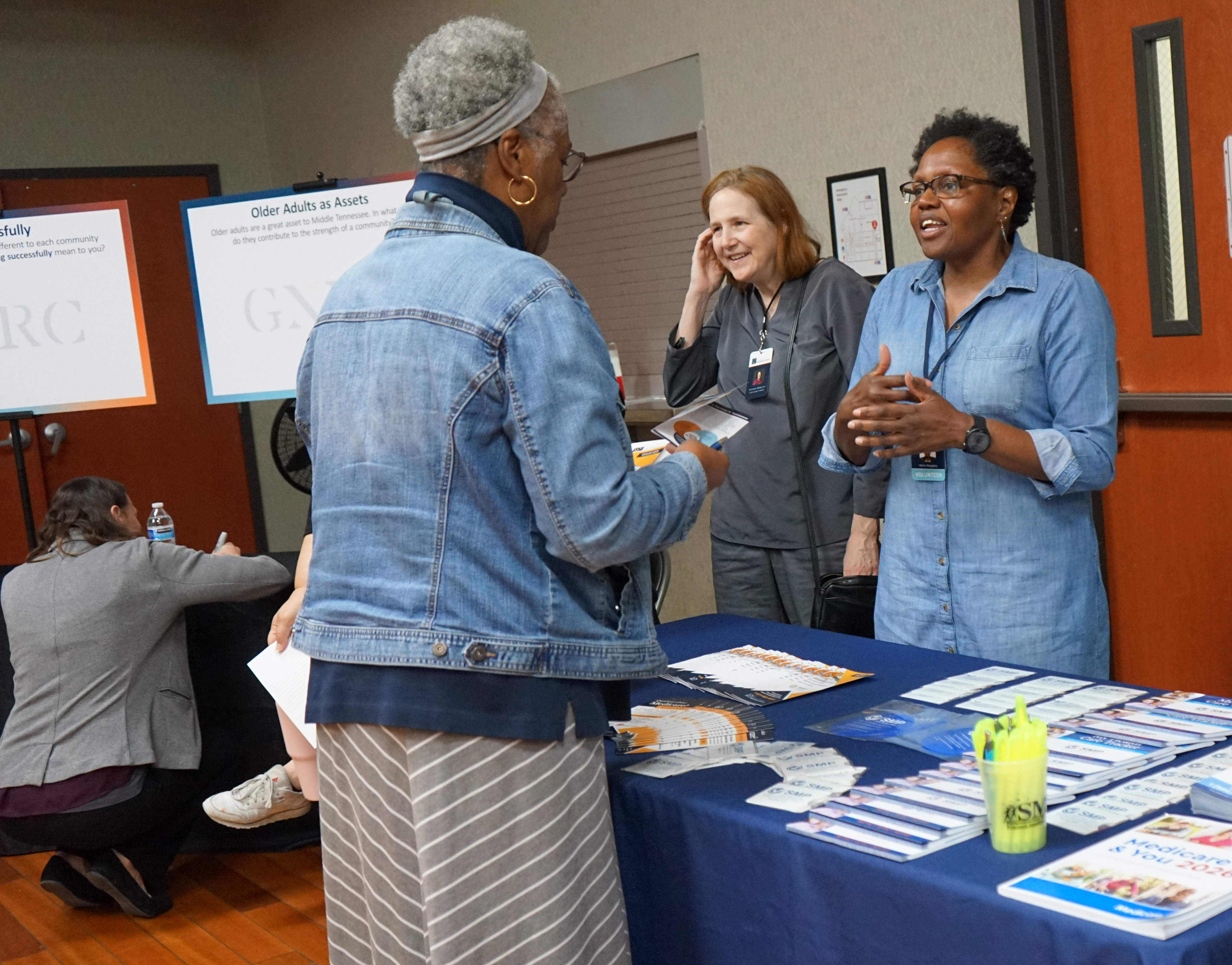
GNRC continues to be a community resource for scam and fraud prevention, specifically through the State Health Insurance Assistance Program (SHIP) and Senior Medicare Patrol (SMP). Through these programs, GNRC provides free, confidential, and non-biased information to Medicare beneficiaries. GNRC distributes educational material at community events and resource fairs, on our social media channels, and through our newsletter.
Goal 4: Strengthen the National Family Caregiver Support Program (NFCSP) to ensure eligible consumers receive vitally important respite services.
As our state population ages, statistics show the demand for care will only grow. Through the Family Caregiver Support program, GNRC provides caregivers with meaningful respite services, caregiver training, and support.
Goal 5: Improve the infrastructure for and advance access to services for eligible consumers with emphasis on those in the greatest social and economic need.
The heart of GNRC’s Aging and Disability Services is the Information and Assistance helpline. This free service is designed to help community members navigate the long-term care system by providing information, referrals, and assessments. Call to learn more: 615-255-1010.
In addition to the goals outlined in the Area Plan, GNRC is always exploring new ways to reach older adults in the greatest social and economic need across our region. We attend community events to raise awareness about our programs and build partnerships with community organizations to expand our reach and strengthen the referral network.