As an educator, I have spent much of my career thinking about what it truly means to prepare a child for what comes next. For 10 years, I worked as a special education teacher in the Head Start system, supporting young children and their families during some of the earliest and most important years of learning. I have since transitioned into primary education, but one lesson has remained constant: preparing students for the future cannot wait until the future is already here.
My teaching experience has also given me a unique perspective because the communities I serve straddle the state line between Giles County and Ardmore, Tennessee, and Athens, Alabama. Being so close to two states allows me to see firsthand how systems, supports, and approaches can differ for students and families. There are dedicated educators and families working hard on both sides of that line, but I have been especially impressed by Tennessee’s commitment to connecting families with resources, including having a statewide resource hub like Tennessee Disability Pathfinder where people can begin asking questions, exploring options, and finding support.
As students head back to school, preparation often focuses on supplies, schedules, transportation, paperwork, and getting everyone back into a routine. Those things matter, but for students with disabilities, preparation should also include conversations about the future.
What does the student want to learn? What are they interested in? What are they good at? What skills do they want to strengthen? What does independence look like to them? What kind of work, education, training, or community life can they imagine for themselves?
Students deserve to be part of those conversations. They should not simply be spoken about, spoken around, or handed a plan that other people created for them. Empowered education means making sure students are heard, helping them understand their own goals, and giving them meaningful opportunities to practice the real-life skills they will need beyond the classroom.
And planning does not have to be perfect the first time.
A strong plan grows. It changes as students have new experiences, discover new interests, ask new questions, build relationships, and learn more about themselves. That is why reviewing goals year after year is so important. A student who once imagined one path may discover another—and that is not failure. That is growth.
Families do not have to know every answer before they begin either. You do not need to have college, employment, transportation, independent living, benefits, or every future decision figured out today. You simply need a place to start, reliable information, and people who are willing to help you navigate the next step.
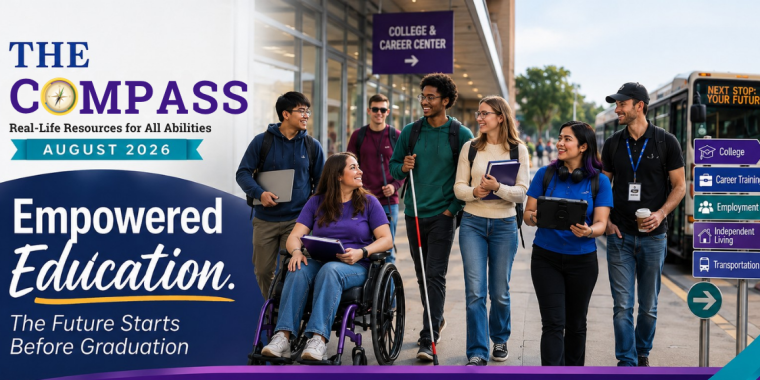
That is what makes this month’s theme, Empowered Education: The Future Starts Before Graduation, so meaningful to me. Education is not only about completing assignments or moving from one grade to the next. It is about helping students recognize their own possibilities and giving them the knowledge, experiences, confidence, and support to move toward the life they want.
The future may feel far away, but the conversations, experiences, and opportunities that shape it can begin today.
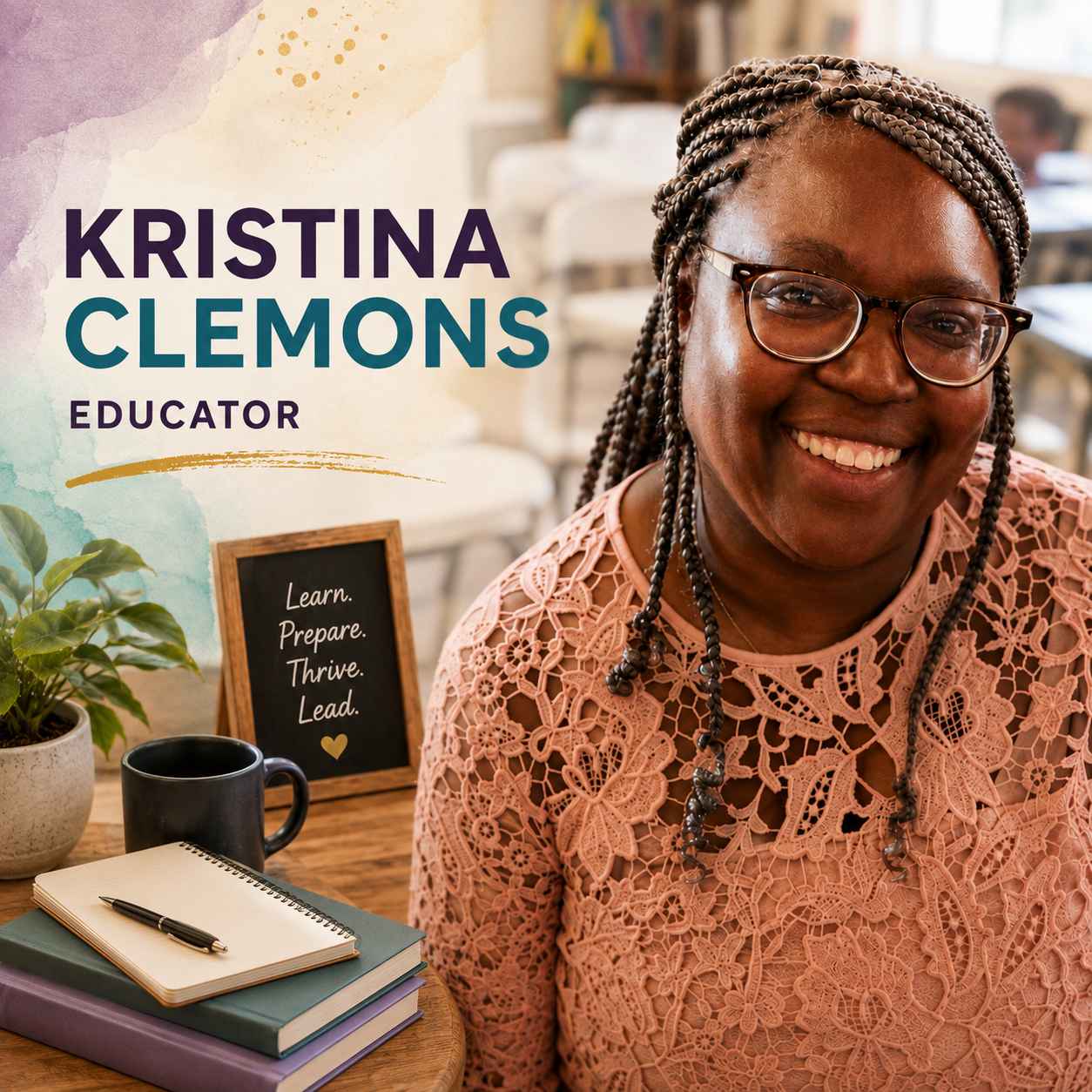
Kristina Clemons
Educator