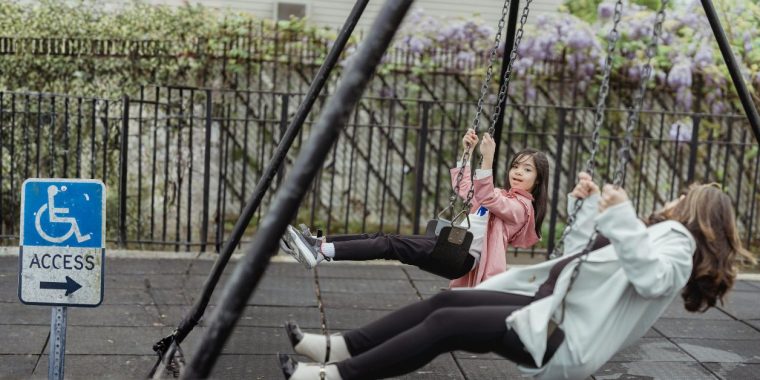
Imagine a student walking into a classroom for the first time. They have a desk. Their name is on the roster. Their accommodations are documented. On paper, they have access.
But do they feel known? Do they feel valued? Do they feel like they truly belong?
In education, we often focus on access. Access to curriculum. Access to services. Access to information. Access is essential. Without it, students cannot participate fully, and families cannot engage meaningfully in the educational process.
Yet access and belonging are not the same.
Access ensures entry. Belonging ensures acceptance.
A student can still feel isolated even with access to a classroom. A family can attend a meeting and still feel unheard. Belonging moves beyond physical presence or procedural compliance. It affirms dignity. It communicates inherent worth. It reflects the belief that each student is not simply accommodated but genuinely valued as part of the community.
Access is the foundation. Belonging is the goal.
So how do schools and families intentionally strengthen both?
Practical Ways to Increase Access
- Communicate in clear, understandable language. Avoid educational jargon when possible. Provide written summaries after meetings and clearly outline next steps so families feel informed and equipped.
- Ensure transparency in processes. Explain how decisions are made regarding evaluations, supports, and services. Clarity builds confidence.
- Share community resources. Connecting families to tools such as TN Disability Pathfinder can increase awareness of disability related supports across education, healthcare, and community services. Centralized, reliable information reduces the stress of navigating systems on your own.
- Provide multiple ways to access information. Offer multiple ways for families to access information and ask follow-up questions.
Access creates opportunity. It removes unnecessary barriers. It opens the door. But belonging requires something more profound. So how do schools and families intentionally strengthen both?
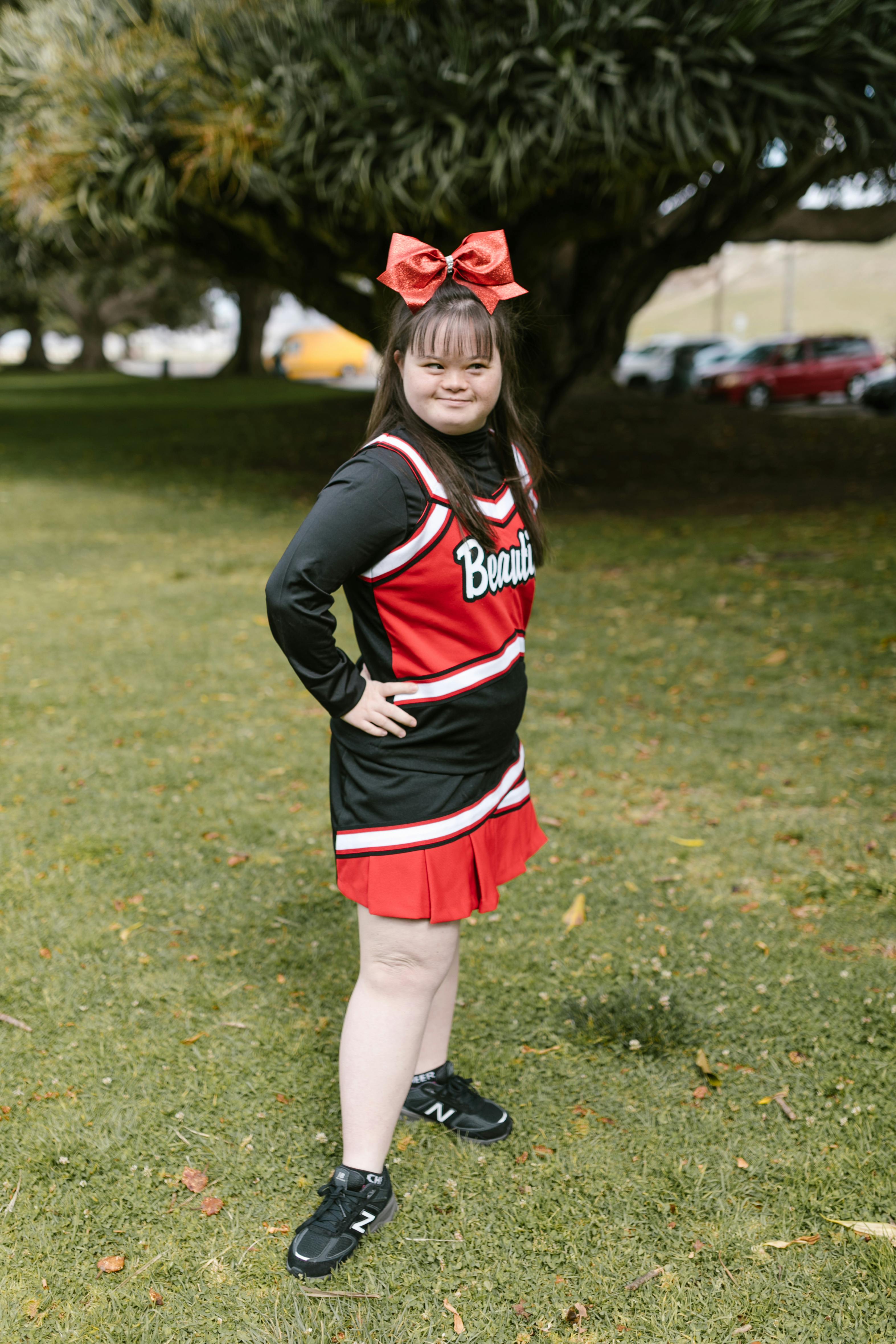
Practical Ways to Increase Belonging
-
- Start with strengths. In meetings and classrooms, highlight what a student does well before discussing areas of need. Strength-based conversations communicate dignity.
- Invite a meaningful family voice. Ask parents what they hope for their child and what they see at home. Listening intentionally fosters partnership rather than formality.
- Create inclusive classroom routines. Build structures that anticipate diverse learning needs, so that supports feel normalized rather than isolating.
- Encourage peer connection. Provide structured opportunities for collaboration, friendship, and shared experiences. Social belonging is just as important as academic access.
- Recognize each student as a whole person. Interests, personality, culture, and lived experiences all shape a child’s identity. When those aspects are acknowledged, students feel seen.
How Caregivers Can Advocate for Belonging While Protecting Access
Caregivers play a powerful role in ensuring both access and belonging remain priorities.
- Ask not only “Is my child receiving services?” but also “Does my child feel connected?” Both questions matter.
- Request that strengths and interests be included in educational plans alongside accommodations.
- Encourage participation in extracurricular activities, clubs, or peer groups that align with your child’s interests. Social connection strengthens belonging.
- Maintain organized documentation of evaluations and plans to ensure access remains intact year to year.
- Use trusted resources such as TN Disability Pathfinder to stay informed about available supports and community opportunities.
- Share stories about your child’s personality, passions, and goals. This helps educators see beyond paperwork and into personhood.
Access allows a student to sit at the table. Belonging assures them their voice matters at that table.
Advocating for belonging does not mean sacrificing access. It means ensuring that supports are delivered in ways that honor dignity and promote meaningful participation. When schools and families protect both, students experience more than accommodations. They experience respect. They experience value. They experience community.
Access opens the door. Belonging invites students to step inside and know they are truly home.