
“What do you want to be when you grow up?”
It is a question we often ask, encouraging students to dream about their futures. Their answers may change from year to year, from becoming a firefighter or veterinarian to discovering a passion for technology, art, or helping others. Regardless of the answer, these early conversations open the door to exploring interests, discovering strengths, and imagining future possibilities.
Meaningful employment begins long before the first job offer. The skills, interests, and experiences that contribute to employment develop throughout a person’s lifetime. For students with disabilities, introducing employment preparation early creates opportunities to explore career interests, identify strengths, develop independence, and build skills that support future success.
While employment is often discussed as part of the transition from high school to adulthood, preparation can begin much earlier. Families, educators, and community members all play important roles in helping students discover their interests and explore what meaningful employment might look like for them.
Every Experience Is an Opportunity
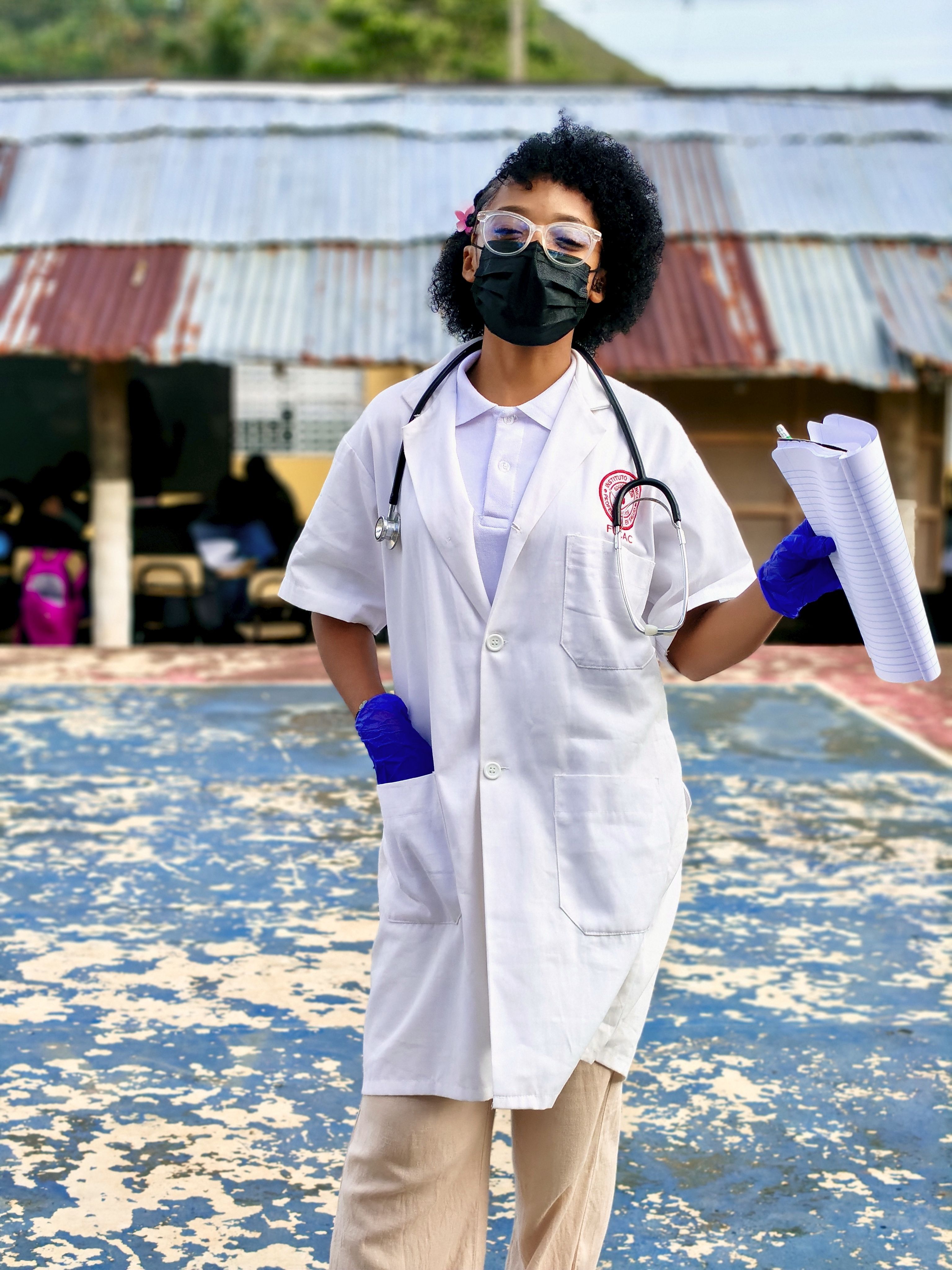 Employment preparation does not have to begin with formal job training. Everyday activities at home, in school, and throughout the community can provide valuable opportunities to develop skills that contribute to future employment.
For younger students, this might include completing classroom responsibilities, organizing materials, assisting with school activities, or helping with household tasks. These experiences introduce important skills such as responsibility, communication, teamwork, problem-solving, and following directions.
As students grow, opportunities can expand to include volunteering, job shadowing, school-based jobs, and community-based work experiences. Exposure to different activities and environments allows students to discover their interests while building confidence and developing new skills.
Starting early also provides flexibility. Students have time to explore different possibilities, identify the supports they need, and adjust their goals as their interests evolve.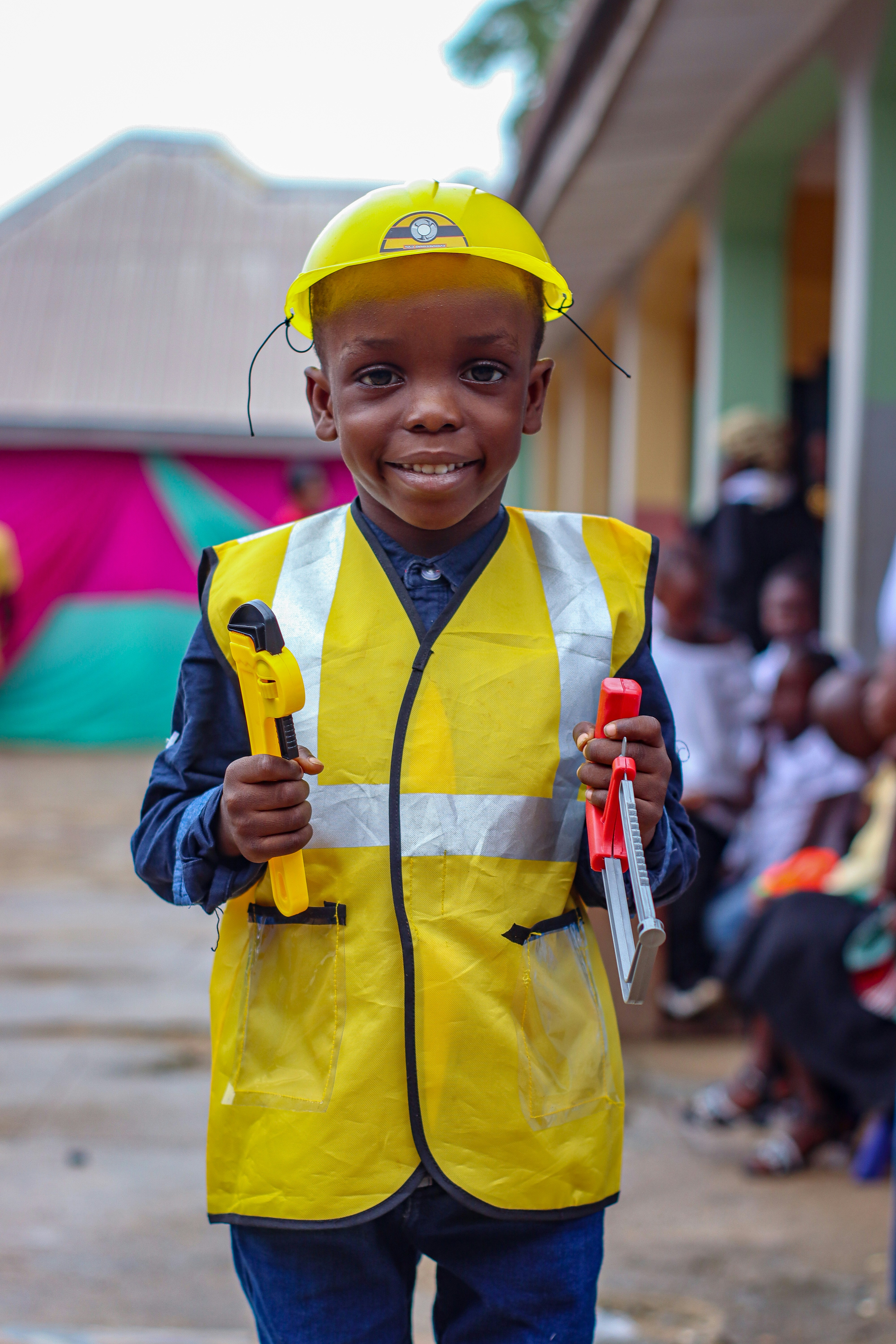
These experiences are about more than learning how to complete a task. They provide opportunities for students to discover what they enjoy, recognize their strengths, develop independence, and experience the satisfaction of contributing to their communities.
Bring Employment into the IEP Conversation
One of the most valuable opportunities to begin planning for employment is through the Individualized Education Program (IEP).
Rather than waiting until formal transition planning begins, families and educators can start discussing employment skills and career interests early in a student’s educational journey.
What does the student enjoy doing? What responsibilities could they take on at school? Are there opportunities to explore their interests in the community? What skills and supports might help them pursue their goals?
Perhaps the most important question is one we sometimes overlook: What does the student want?
Students should have meaningful opportunities to share their interests, preferences, and aspirations. Their goals may change as they grow, and that is part of the process! Regularly revisiting these conversations allows families and educators to build on emerging interests, celebrate progress, and identify new opportunities.
Move Beyond the Classroom
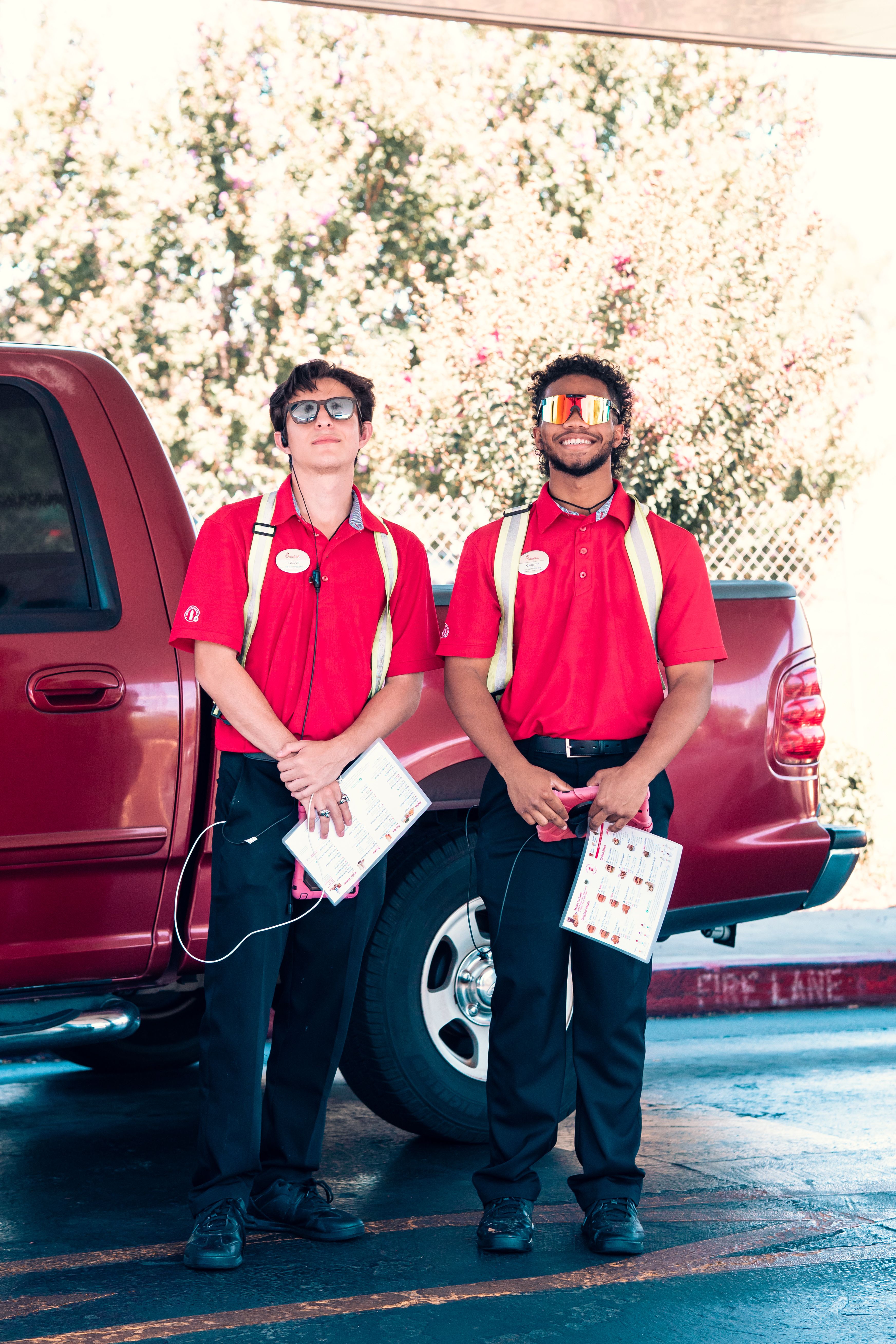
While schools play an essential role in employment preparation, some of the most meaningful learning happens when students have opportunities to put their skills into practice.
Community involvement, volunteering, and work-based learning experiences allow students to apply their skills while becoming familiar with workplace expectations. These experiences can also help identify accommodations and individualized supports that may contribute to future employment success.
Employment preparation looks different for every student. Some students may benefit from additional opportunities to develop communication and self-advocacy skills, while others may focus on transportation, time management, or specific job-related tasks.
There is no single pathway to meaningful employment. Every student brings different strengths, interests, and support needs. The goal is to provide opportunities that allow students to explore their possibilities rather than limit their futures.
Finding Resources Along the Way
Navigating employment preparation can bring plenty of questions. Where can families find opportunities for career exploration? What transition services are available? Who can help students develop employment skills or connect with community opportunities?
Families and educators do not have to find these answers on their own. Tennessee Disability Pathfinder is a statewide information and referral resource that helps individuals with disabilities, families, and professionals find and connect with available programs and services. Whether you are exploring employment opportunities, looking for transition resources, or seeking additional support, Pathfinder can help identify resources that meet your individual needs.
The journey toward meaningful employment is built through everyday experiences, conversations, and opportunities. By starting early, encouraging exploration, and ensuring students have a voice in planning their futures, we can help them discover their strengths and pursue their aspirations.
After all, preparing for employment isn’t just about finding a job. It’s about creating opportunities for students to discover what they enjoy, develop their strengths, and envision a future of their own choosing.