What Disability Pride Means to Me
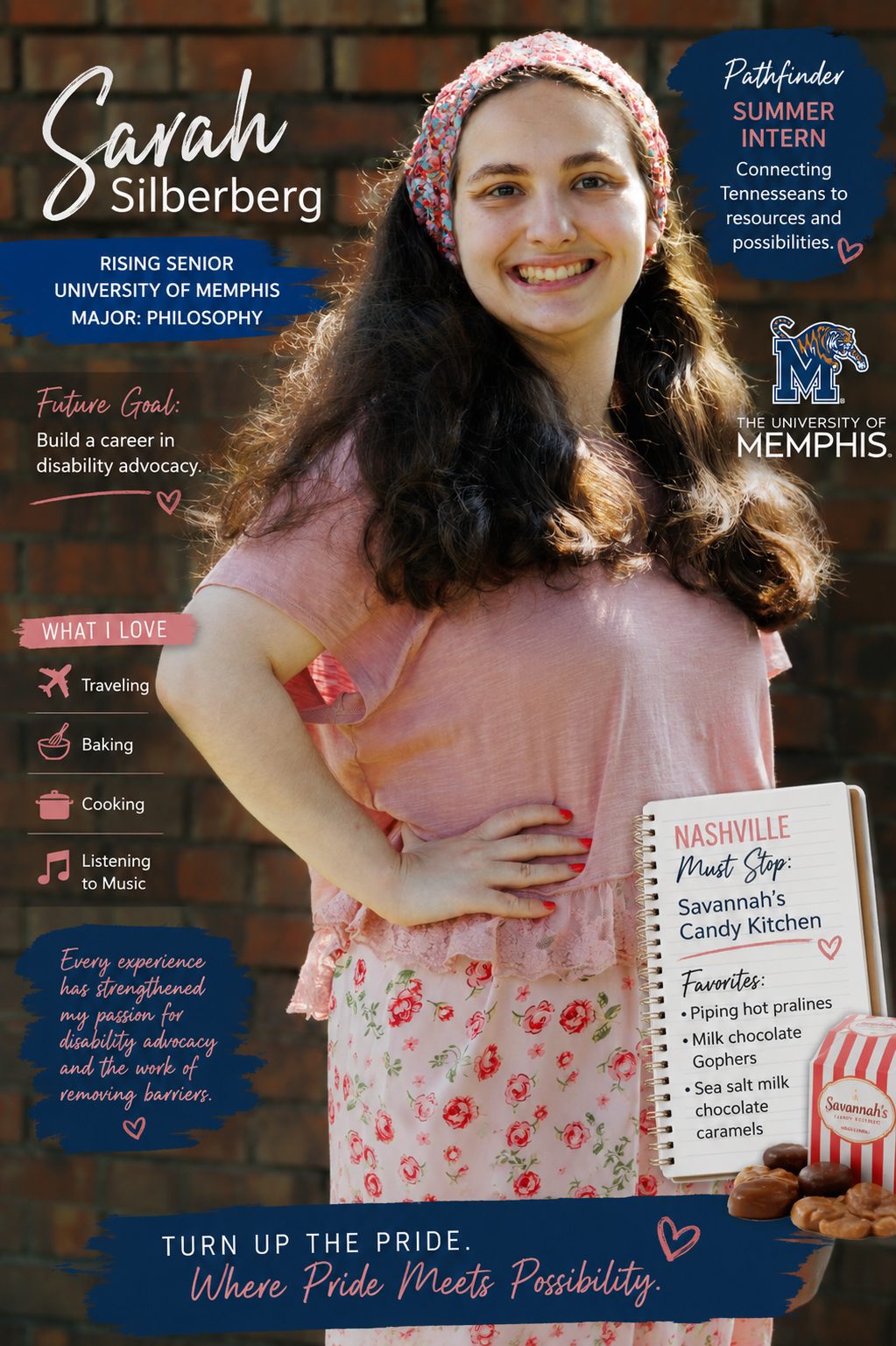
As we celebrate Disability Pride Month, I’ve spent time thinking about what disability pride means to me.
I define disability pride as owning your right to embrace your disability as part of your identity. This is something people with disabilities are entitled to do.
For me, disability is proudly one of my identities. At the same time, I know it isn’t always easy to be open about having a disability. Even though I embrace mine, I can still feel apprehensive about sharing it publicly or proudly owning it for everyone to see. I imagine many other people feel that same way.
I remember disability rights activist Judy Heumann once shared that many people in the workforce have disabilities, but few are open about them. On the other hand, there are people who proudly share their disability identities publicly, such as YouTube personality Sarah Todd Hammer. I believe more of us should feel empowered to do the same.
When I think about disability pride, two ideas stand out to me:
- Being open
- Erasing the “fixing” notion
Being open is fairly simple. It means feeling comfortable showing pride in our disabilities publicly and recognizing that we have the same right to celebrate this part of our identity as others do with theirs.
The second idea is more personal to me.
Disability is often viewed through a medical lens, with the assumption that it is something to be “fixed.” I don’t believe that should always be the goal. Instead, I believe treatment should be navigation-centric, a term I use to describe working collaboratively with a person to help them navigate life with their disability rather than focusing solely on changing who they are.
My own experience shaped this perspective. I have a disability that affects my walking gait. When I was in my mid-to-late teens, my physical therapist wanted to make my walk more “normal.” My response was simple:
“No. I do not want to be changed.”
I viewed the way I walk as something unique to me. It is part of who I am. I embraced my disability as part of my individuality then, and I still do today.
For me, Disability Pride is about recognizing that disability is not something to hide or apologize for. It is part of my story, part of my identity, and something I have the right to define for myself.
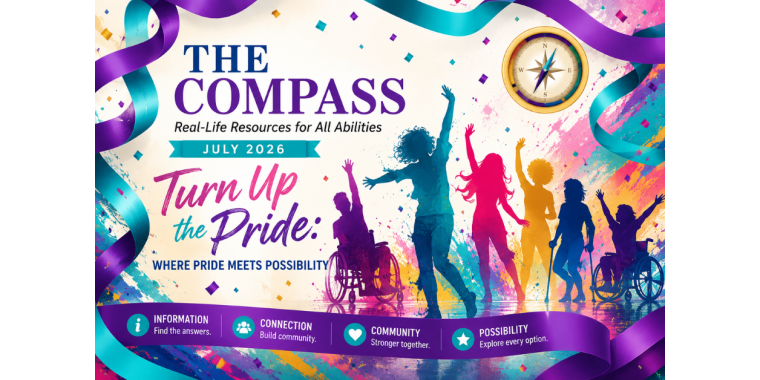
As you continue through this issue of The Compass, I hope you’ll not only discover new resources and opportunities, but also take a moment to celebrate yourself. Disability Pride looks different for everyone, and that’s okay. My hope is that this month reminds all of us that our disabilities are not something to hide. They are part of our stories, our identities, and our strength. Happy Disability Pride Month!
With pride and possibilities,
Sarah