
How the Scariest Emergency of My Life Made Me Better Prepared
Written by William Bell, Tennessee Resident
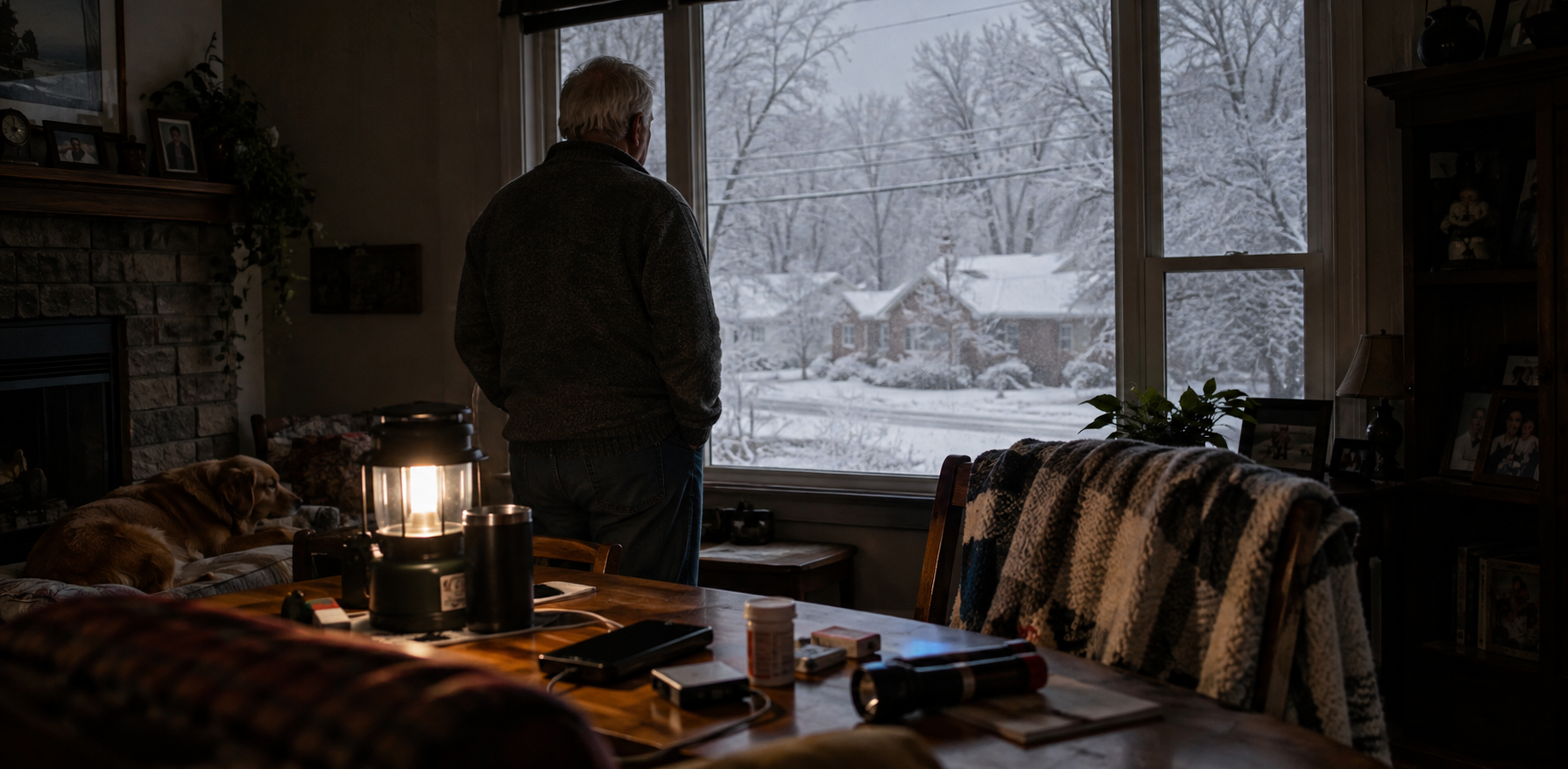
When Winter Storm Fern moved through Tennessee, I knew we could lose power. I mean, where we live if the wind blows too hard we lose power. I had lived through bad weather before, and I have always considered myself a pretty strong person. I am not someone who panics easily. My first thought was simple: We’ll tough it out.
Then the power stayed off for seven days.
At first, we adjusted. We layered clothes, found flashlights, conserved what we could and waited for the power to return. But as one day turned into several, the challenge was no longer just the cold or the inconvenience.
It was watching my family struggle.
That was the part I had not prepared myself for.
I could accept being uncomfortable. I could tell myself we would get through it. But watching the people I love become tired, stressed and increasingly affected by something none of us could fix was different. It made me realize that being willing to endure an emergency is not the same as being prepared for one.
Leaving home was not a simple solution either.
We had recently completed repairs to our house. Like many families, we were already balancing regular household expenses, medical bills, medications and other costs that do not disappear because the power goes out. Paying for a hotel for seven nights simply was not realistic.
That was one of the biggest lessons for me: an emergency arrives on top of the life you are already living.
You still have prescriptions to manage. Bills still need to be paid. Health needs do not stop. Family responsibilities remain. And suddenly, things you normally take for granted: heat, electricity, transportation, refrigeration and a charged phone require a plan.
The Things I Had Not Thought About
Before the storm, I thought I understood what it meant to prepare for a power outage. But I had been thinking in hours, not days.
A seven-day outage raised different questions.
How long could we keep our phones charged? What did we have in the house that depended on electricity? What would happen if someone needed medication, transportation or medical care? At what point would staying home no longer be the best option? And if we did have to leave, where could we realistically go?
Those were not questions I had spent much time thinking about before.
Fortunately, my wife had.
She had already purchased several emergency supplies and backup items before the storm. Some were things we hoped we would never need. During those seven days, they mattered.
Having flashlights, backup power, heated blankets, and extra supplies gave us options we might not otherwise have had. Her planning showed me how much difference a few decisions made before an emergency can make during one.
It also showed us what was missing.
We needed to think beyond getting through a short outage. A generator became a serious consideration. So did additional portable batteries and power banks. We needed to be more intentional about charging devices before severe weather and keeping important medical and medication information readily available.
But the biggest change was not something we could buy.
It was the way we started talking about emergencies.
Instead of assuming everyone in the household could simply “tough it out,” we began thinking about what each person might need if our normal routine suddenly stopped working.
That conversation matters.
What I need may not be what my wife needs. What seems manageable to one person may be much harder for another. Preparedness has to account for the people in the home not just the emergency itself.
What the Storm Changed
I still believe there is value in being resilient. Getting older has taught me that difficult moments pass and that we are often stronger than we realize.
But Winter Storm Fern taught me something else:
Experience should make us wiser about the next time.
Today, I pay more attention when severe weather is forecast. We think earlier about power, medications, communication and what we would do if an outage lasted several days instead of several hours.
I would tell another Tennessean to start with one question:
What would become difficult in my household if the power stayed off for a week?
The answer will be different for everyone.
And once you know the answer, you know where to start.
What I Keep Ready Now
A plan for backup power, including a generator
Charged portable batteries and power banks
Flashlights and extra batteries
Current medication and medical information
Emergency contacts available outside of our phones
Extra household supplies & non-perishable food items
A family plan for what we will do if an outage lasts several days
Winter Storm Fern was one of the hardest emergencies our family has experienced.
But it left me with something valuable:
Next time, we will not only be ready to endure it. We will be better prepared to live through it.