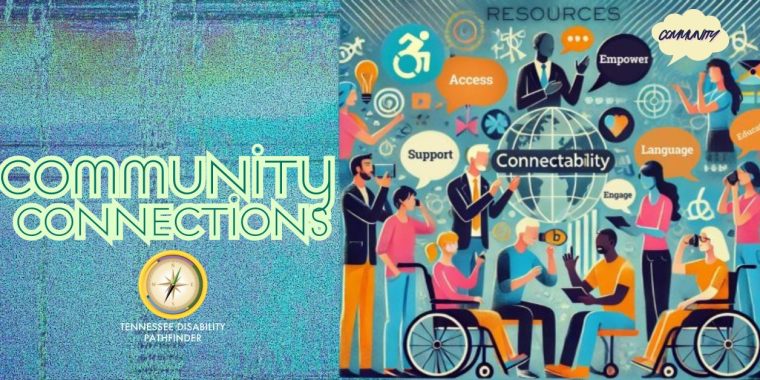
Community is stronger when we support one another. This section spotlights peer support groups, caregiver networks, community-based programs, and organizations that foster belonging, encouragement, and shared experiences. By highlighting opportunities to connect, we aim to strengthen relationships and ensure no one has to navigate their journey alone
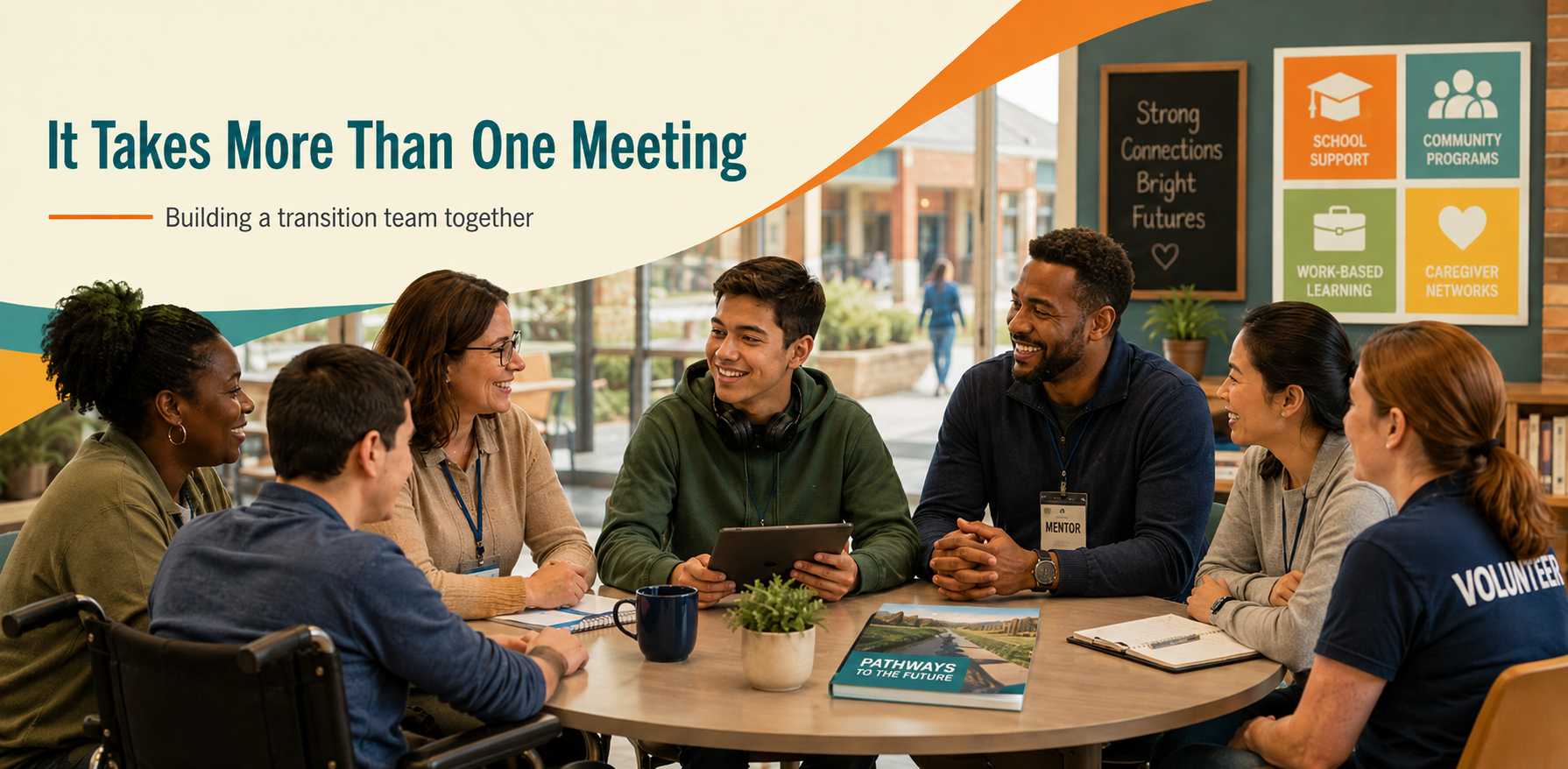
It Takes More Than One Meeting: Building a Transition Team
Transition planning may happen during a school meeting, but preparing for adult life happens in many places, at home, in the community, at work, in training programs, and through the relationships students build along the way.
That is why a strong transition team is about more than professionals sitting around a table. It is about creating a network of people who can encourage the student, help them explore possibilities, share knowledge, and provide support as new questions and opportunities arise.
No student needs every program or every service. The goal is to identify the connections that make sense for that individual student and the future they are working toward.
Start With the People Already in the Student’s Corner
Families, teachers, counselors, special educators, transition staff, and related-service providers often know different parts of a student’s story. One person may recognize a strength in the classroom, while another sees how the student communicates, solves problems, builds relationships, or handles daily responsibilities.
When those perspectives are shared and the student’s own voice leads the conversation, the team can begin identifying opportunities that fit the student’s interests, goals, strengths, and support needs.
Add Community Connections as Goals Become Clearer
As students begin thinking about employment, continued education, independent living, transportation, or community life, additional connections may become useful.
For some students, that could mean connecting with Vocational Rehabilitation (VR) or Pre-Employment Transition Services to explore careers and workplace skills. For others, it may mean learning about a Center for Independent Living, a community-based skill-building program, or a college or training program’s disability-support office.
Other students may benefit from meeting people who can help them understand transportation, assistive technology, benefits, or supported decision-making.
through the Tennessee Department of Human Services, along with its Pre-Employment Transition Services, often called Pre-ETS.
The important thing is not the number of organizations involved. It is whether each connection helps the student move toward something that matters to them.
Relationships Matter, Too
Not every important connection comes from a formal service.
A mentor can help a young person imagine themselves in a career they had never considered. A volunteer opportunity can help a student practice communication, responsibility, and teamwork. A peer group can provide encouragement from other young people who understand some of the same experiences. A caregiver network can give families a place to exchange ideas, resources, and lessons learned.
Employers and work-based learning partners can also give students something that cannot always be learned in a classroom: the opportunity to try, practice, ask questions, make mistakes, and discover what kind of work environment feels right.
These relationships can help students build confidence while also expanding the number of people they can turn to when they need information or support.
Build the Circle One Connection at a Time
Families do not have to build an entire transition network overnight.
Start with the student’s current goals and ask one simple question:
Who is missing from our circle right now?
Maybe it is someone who can answer questions about college. Maybe it is a mentor in a career the student wants to explore. Maybe the family needs to meet another caregiver who has already navigated part of the process. Or perhaps the student needs a community program where they can practice skills, meet people, and gain experience outside of school.
One meaningful connection can lead to another.
Tennessee Disability Pathfinder can help families, students, educators, and professionals search for community organizations, programs, support networks, and other resources across the state when they are ready to make that next connection.
Because transition is not something students should have to navigate alone. When families, schools, community organizations, peers, employers, and other supporters work together, students have a stronger network to help them move toward the future they choose.